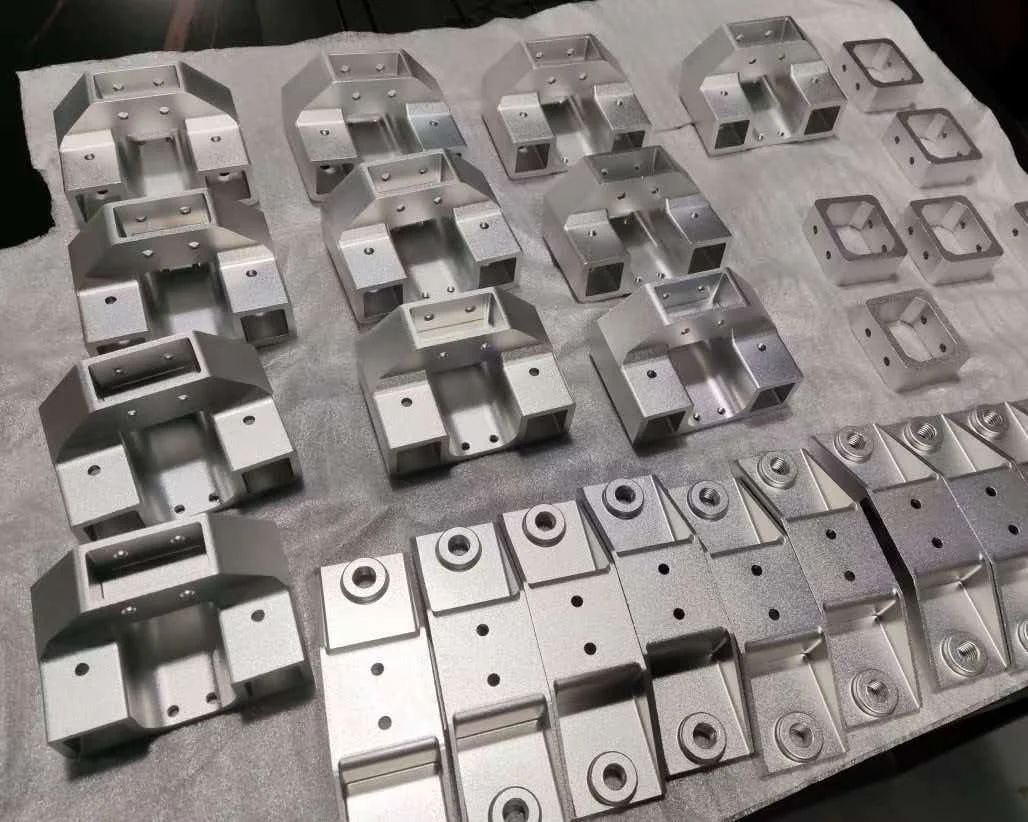
This authoritative guide explains vacuum casting for small batch production, covering its process, materials, surface quality, and cost comparison with injection molding for 10-1000 unit runs, positioning it as an ideal bridge tooling between prototyping and full production for procurement leaders o
For small batch production runs between 10 and 1000 units, vacuum casting with silicone molds is a more cost-effective and flexible alternative to injection molding, serving as a reliable bridge between prototyping and full-scale mass production.
Vacuum casting is a low-volume molding process that uses master patterns and reusable silicone molds to produce functional end-use parts for runs of 10 to 1000 units, ideal for bridging prototyping and mass production.
What Is Vacuum Casting for Small Batch Production?
Vacuum casting falls under the category of bridge tooling, designed to fill the gap between rapid prototyping and full-volume injection molding. Many product development teams face a common pain point: after finalizing a functional prototype, they need dozens or hundreds of production-grade parts for market testing, pre-orders, or low-volume end-product sales, but cannot justify the high upfront tooling cost of injection molding. This is where small batch vacuum casting delivers unmatched value. As a polyurethane casting method, it leverages low-cost silicone molds to deliver parts with quality nearly identical to injection molded parts at a fraction of the initial investment.
As a provider of precision low-volume tooling and manufacturing services, we deliver fast, high-quality vacuum casting and polyurethane casting to align with your product development and production goals.
Step-by-Step Vacuum Casting Process
- Produce a rigid master pattern matching the exact dimensions and features of the final part, most commonly via 3D printing or CNC machining.
- Position the master pattern in a mold frame, then pour mixed liquid silicone around the pattern to fully encase it.
- Cure the silicone under controlled temperature and humidity, then split the cured silicone block and remove the master pattern to leave a precision cavity mold.
- Place the assembled silicone mold into a vacuum chamber, inject degassed polyurethane resin into the cavity to eliminate air bubbles.
- Cure the resin according to material specifications, demold the finished part, and prepare it for post-processing as needed.
Typical Materials and Surface Quality
The most widely used material for vacuum casting is polyurethane resins, which can be formulated to match a wide range of mechanical properties: from soft, flexible rubber for gaskets and grips to rigid engineering plastics that mimic the performance of ABS, polypropylene, or polycarbonate. This versatility makes polyurethane casting suitable for everything from consumer product enclosures to functional industrial components. Silicone molds offer exceptional replication capability, capturing fine surface textures, sharp edges, and complex geometries that match the quality of injection molding. Unlike 3D printed parts, which often require extensive sanding to achieve a smooth finish, vacuum cast parts inherit the smooth surface of the silicone mold, resulting in a near-finish quality that requires minimal post-processing. For applications requiring custom finishes, in-house services can add electroplating, painting, or other treatments to meet your specifications. We also conduct ongoing new-material R&D to expand the range of material options available for specific application requirements.
Cost Break-Even Comparison: Vacuum Casting vs. Injection Molding
The key advantage of silicone mold vacuum casting over injection molding for small batches lies in its cost structure, especially for runs between 10 and 1000 units. The table below outlines a typical cost comparison for equal part specifications:
| Cost Component | Vacuum Casting (Silicone Mold) | Injection Molding |
|---|---|---|
| Upfront Tooling Cost | $300 – $2,000 | $5,000 – $100,000 |
| Average Per-Unit Cost (10–100 units) | $15 – $60 | $5 – $20 |
| Total Cost (10 units) | $450 – $800 | $5,050 – $100,200 |
| Total Cost (500 units) | $7,800 – $32,000 | $7,500 – $110,000 |
| Total Cost (1000 units) | $15,300 – $62,000 | $10,000 – $120,000 |
For production runs of 10 to 1000 units, vacuum casting delivers lower total cost than injection molding, with the cost break-even point only shifting to injection molding once run sizes exceed roughly 1200 units for most part types. This makes silicone mold vacuum casting the clear choice for small batch production.
Vacuum Casting as a Reliable Bridge Tooling
Bridge tooling exists to de-risk product launches and support flexible production, and vacuum casting is purpose-built for this role. It offers far faster lead times than injection molding, with typical part production completed in 24–72 hours, allowing teams to bring products to market faster without waiting for long lead-time injection tooling. We also offer worldwide shipping with DDP terms to simplify logistics for global customers, making it easy to source small batch parts regardless of your location.
Frequently Asked Questions
1. Can I use vacuum cast parts for end-use products, not just prototypes?
Yes, properly formulated polyurethane casting parts match the mechanical and aesthetic requirements of most end-use applications, making them suitable for full commercialization for low-volume product lines.
2. How many parts can a single silicone mold produce?
A single high-quality silicone mold can typically produce 10 to 50 finished parts before minor wear begins to affect part accuracy. For runs up to 1000 units, multiple silicone molds can be produced from the same master pattern to deliver consistent quality across the entire run.
3. What post-processing options are available for vacuum cast parts?
We provide in-house hands-on finishing including electroplating, painting, and full assembly for vacuum cast parts, so parts are ready for use upon delivery.
If you are a procurement leader evaluating manufacturing options for your 10–1000 unit small batch run, our team of precision manufacturing experts can help you assess whether vacuum casting is the right solution for your project, and provide a transparent quote aligned with your requirements.