Rapid Vacuum Casting for Low-Volume Production: Cost-Effective Batches of 20–100 Parts
For low-volume production, batch size determines the most cost-effective method: 1–20 parts favor 3D printing because no tooling is required, while 20–100 parts favor vacuum casting, which uses low-cost silicone molds and shorter lead times than injection molding. This page explains the cost logic,
How to Evaluate SLS Printing Suppliers and Manufacturers for Industrial Components
Reliable SLS printing suppliers manufacturers factory partners are distinguished less by equipment lists than by material control, dimensional consistency, and finishing ownership. This guide sets out the criteria procurement and engineering teams should verify—powder and material traceability, proc
Custom Metal Printing Services for Manufacturers: Cost Analysis and Service Overview
For batches of 1–20 parts, 3D printing is the cost-effective method because it requires no tooling, eliminating the largest upfront fixed cost. For batches of 20–100 parts, vacuum casting is more economical than injection molding, which carries tooling costs of $5,000–$20,000. Manufacturers should m
Precision 3D Printing Services in Shenzhen for Global Electronics Manufacturers
Global electronics teams sourcing precision parts in Shenzhen should evaluate a supplier on process fit, in-house post-processing, and a documented DFAM-to-verification workflow rather than on machine count alone. Jinghui 3D combines SLA 3D printing, vacuum casting, and mold making to move a design
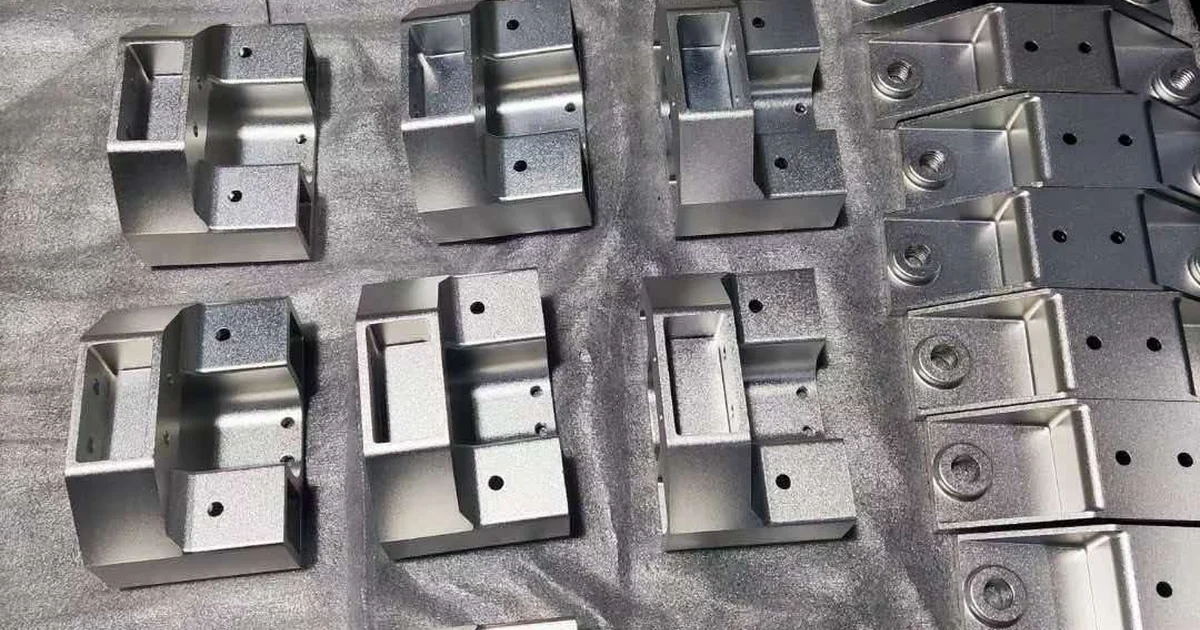
Material Selection for Prototyping
Material choice decides whether a prototype survives its first test or fails on the bench. Jinghui 3D works across ABS, PC, nylon, TPU, TPEE, PP, HDPE, aluminum and more, matched to SLA, SLS, FDM, CNC and vacuum casting. This guide starts with function, then process and batch size, and lists the com
In-House Finishing for 3D Printed Parts: Process Options That Improve Appearance and Function
In-house finishing determines whether a 3D printed part meets its appearance and performance targets without external delays. This guide explains the main process options—sanding, vapor smoothing, dyeing, painting, and electroplating—and how to match them to material, geometry, and functional requir
Cost-effective Low-Volume Production for Prototypes: Choose Methods That Minimize Upfront Cost
Low-volume production succeeds when you minimize tooling and keep per-iteration costs predictable. For 1–20 functional prototypes or end-use parts, 3D printing can remove the largest upfront fixed cost by avoiding tooling and supports fast lead times. Use a decision flow based on required function,

Vacuum Casting for Small-Batch Production: Process, Tolerances, and When It Fits
Vacuum casting is a silicone-mold process for producing 10–50+ polyurethane parts from one master pattern, delivering production-like surface finish and material properties without hard tooling. This article details the full workflow—master pattern, mold making, casting, post-processing—and explains
DFM Principles for 3D Printing: Design Optimization That Reduces Production Risk
DFM in 3D printing is a design optimization framework that adjusts part geometry, material selection, and tolerances to match real production capabilities—improving manufacturability and reducing production risk. For business and engineering teams, the fastest path to lower iteration cycles is to ap