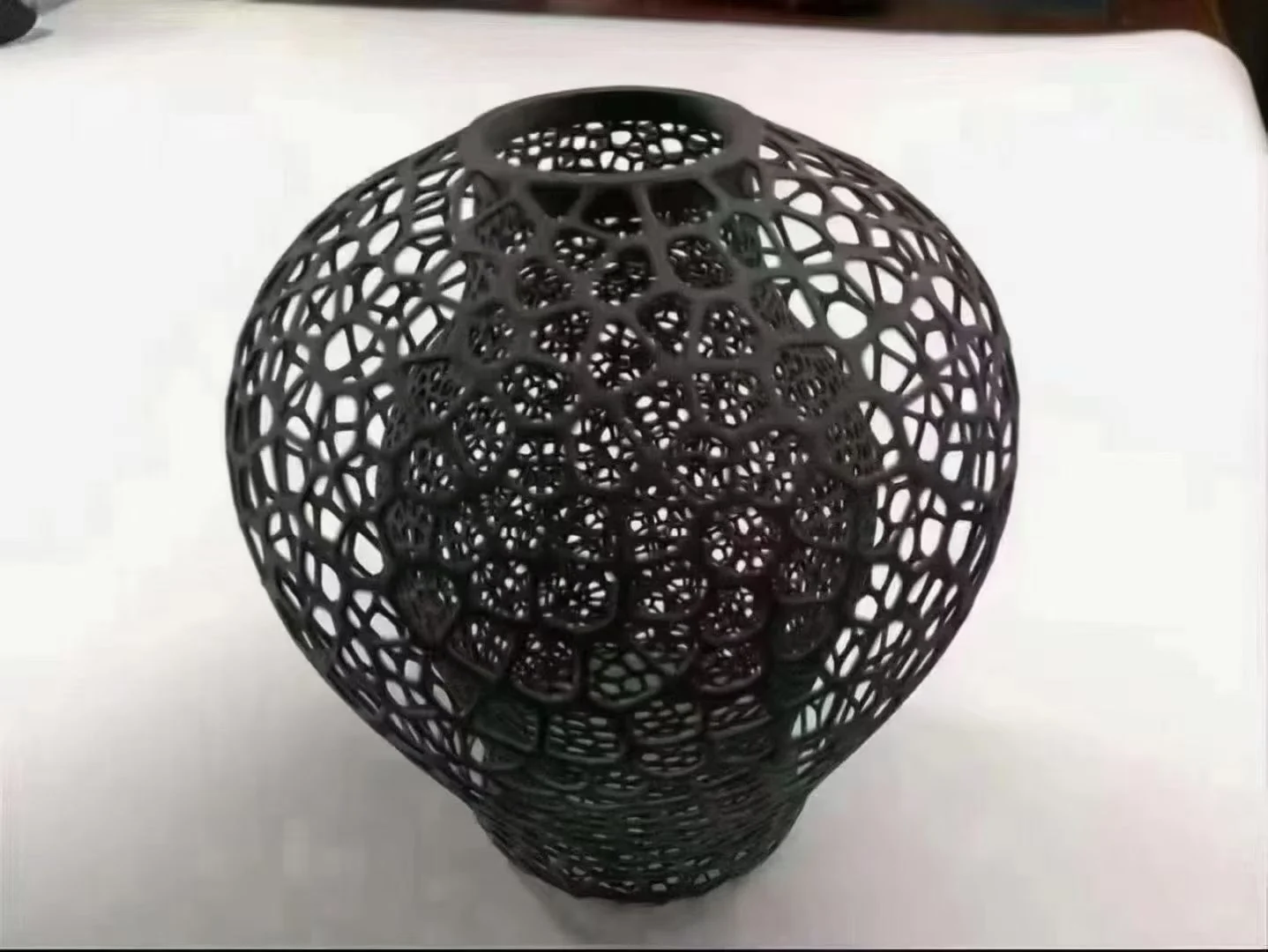
For low-volume production of under 100 parts, 3D printing and vacuum casting often deliver lower total cost than injection molding, due to the latter’s high fixed tooling costs. This breakdown compares key metrics to help procurement teams select the most economical option.
For low-volume production runs, injection molding is not always the most cost-effective choice — hidden tooling and setup costs often make 3D printing or vacuum casting a far more economical alternative for batches under the break-even volume threshold.
When producing batches of fewer than 100 end-use plastic parts, 3D printing for 1–20 parts and vacuum casting for 20–100 parts typically deliver lower total cost than traditional injection molding.
Jinghui 3D offers full-spectrum low-volume production capabilities across 3D printing, vacuum casting, and custom precision mold making, helping procurement teams match the right process to their batch size and budget requirements .
Core Cost Metrics for Low-Volume Production
To accurately compare total cost across production methods, four core metrics must be evaluated to uncover hidden costs that often exceed project budgets. Each metric impacts total cost differently for small batches compared to high-volume production: - Tooling cost: Fixed upfront costs to create molds or tooling required for production, the single largest source of hidden cost for low-volume projects. - Cost per part: Variable cost to produce each individual part after tooling is complete, which scales proportionally with batch size. - Lead time: Total time from design approval to delivery of finished parts, where delays can create hidden costs such as missed market windows or expensive expedite fees. - Break-even volume: The minimum batch size where a given method’s total cost drops below that of alternative methods, a critical threshold for low-volume planning.
Side-by-Side Cost & Timeline Comparison
| Production Method | Average Tooling Cost | Cost Per Part (low-volume) | Typical Lead Time | Break-Even Volume vs. Injection Molding |
|---|---|---|---|---|
| 3D Printing | $0 (no tooling required) | Higher than injection molding, lower total cost under 20 parts | 1-5 business days | Any batch under 20 parts |
| Vacuum Casting | $500-$2,000 for silicone mold | Moderate, lower total cost for 20-100 parts | 5-10 business days | Any batch under 100 parts |
| Injection Molding | $5,000-$20,000 for hard steel/aluminum tooling | Low per part, high total cost under 100 parts | 20-40 business days | Batches over 100 parts |
This comparison makes clear that high fixed tooling costs for injection molding create disproportionate total cost for small low-volume batches, even when per-part costs are far lower than alternative methods. Additional hidden costs for injection molding include tooling storage, modification fees, and shipping of hard tooling that are rarely accounted for in initial low-volume budgets.
Matching Production Method to Your Batch Size
To select the most economical option for your low-volume project, follow this framework based on break-even analysis: 1. For batches of 1–20 functional prototypes or end-use parts: 3D printing requires no tooling, eliminating the largest upfront fixed cost and delivering the fastest lead time. Jinghui 3D offers SLA, SLS, and FDM 3D printing services with a range of engineering plastic and resin materials to meet functional requirements . 2. For batches of 20–100 production-grade parts: Vacuum casting leverages low-cost silicone tooling to produce consistent, finished parts at a lower total cost than injection molding. A single silicone mold can produce 20–100+ polyurethane parts with production-grade painted or plated finishes, matching the aesthetic requirements of end-use products . 3. For batches of 100+ parts: Injection molding becomes the more economical option, as the high fixed tooling cost is spread across enough units to offset the upfront investment. Jinghui 3D supplies precision custom molds and tooling for low-to-medium volume injection molding runs .
Frequently Asked Questions
Can vacuum casting match the material properties of injection molding?
Vacuum casting uses polyurethane materials that can be formulated to match most mechanical and aesthetic properties of common injection molding plastics, making it suitable for the majority of low-volume end-use applications and functional testing.
Do I need to pay for tooling modification if I change my design after production starts?
For 3D printing, design changes require no additional tooling costs, as no tooling exists. For vacuum casting, design changes only require modifying the low-cost silicone mold, which costs a fraction of modifying hard injection molding tooling.
How can I get an accurate total cost estimate for my low-volume project?
Reputable production providers will provide a transparent breakdown of all costs including tooling, per-part pricing, and shipping, rather than only quoting per-part cost. Jinghui 3D provides customized cost breakdowns for all three methods, tailored to your specific design, material, and batch size requirements .
Jinghui 3D’s end-to-end low-volume production capabilities allow procurement teams to avoid unnecessary hidden costs by selecting the optimal process for their specific batch size and product requirements. We also offer in-house R&D for custom materials and manufacturing processes to support unique project requirements . Whether you need a small run of functional prototypes or 100+ end-use parts, our team can deliver transparent pricing and on-time delivery. Reach out to our team today to discuss your next low-volume production project and get a customized quote.