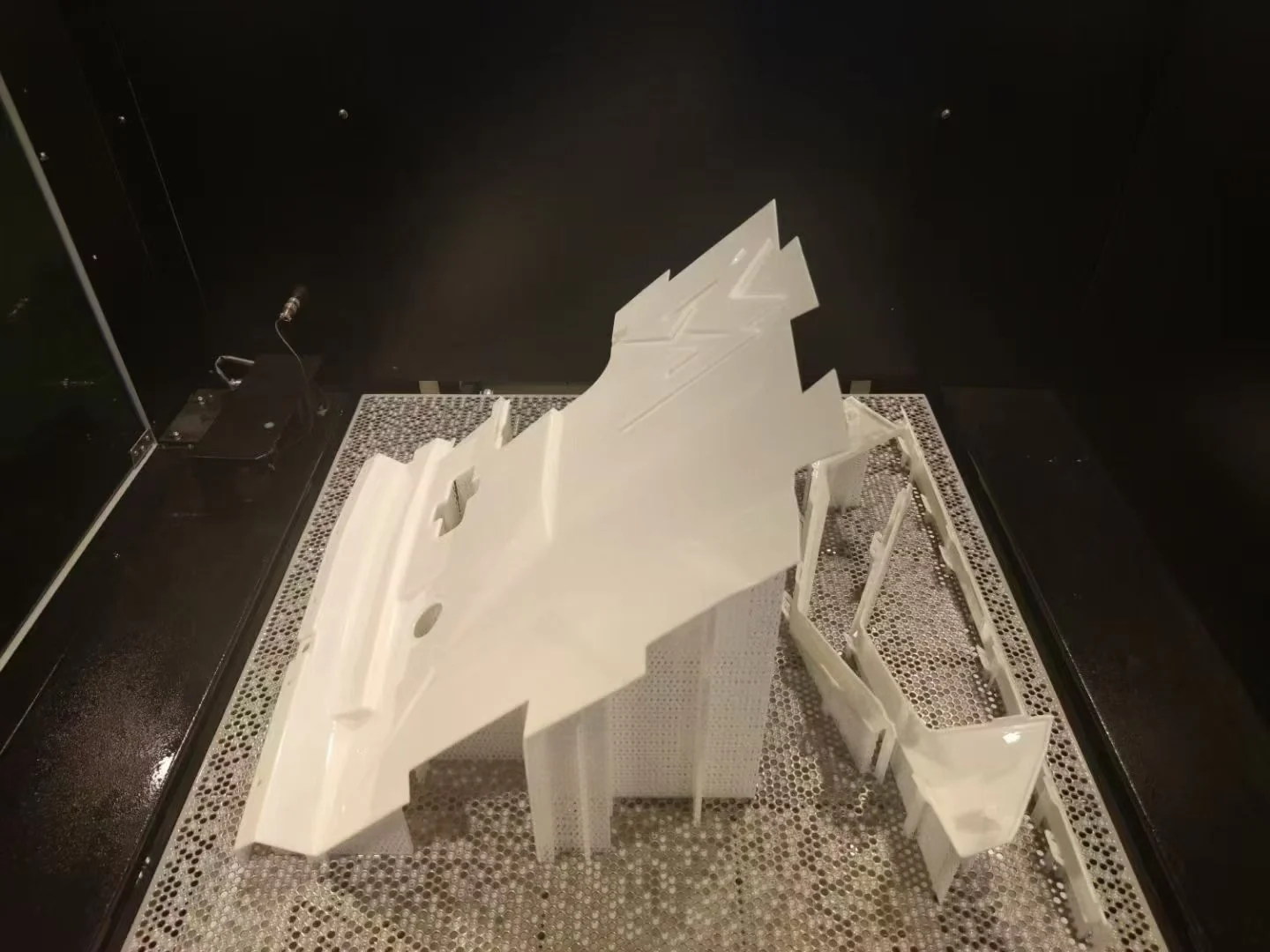
Long product development cycles and fragmented mold supply chains increase time-to-market delays and cost overruns for industrial and consumer goods brands. Jinghui 3D’s integrated mold making.
Integrated in-house mold making is a critical lever for supply chain optimization that cuts unnecessary handoffs between product development stages, reducing lead times and quality inconsistencies for industrial and consumer goods programs.
Jinghui 3D’s integrated mold making services streamline product development by combining precision tooling, additive prototyping, and low-volume production under one roof to simplify end-to-end supply chains.
By offering end-to-end product development support from prototyping to bridge production, Jinghui 3D eliminates the friction of working with multiple vendors, enabling consistent quality and faster market entry for all project types.
The Supply Chain Pain Points of Fragmented Mold Sourcing
For procurement and product development leaders at industrial and consumer goods brands, fragmented mold sourcing creates recurring supply chain challenges. Most product development workflows split prototyping, mold fabrication, and pilot production across three or more separate vendors, leading to misaligned specifications, repeated quality checks, extended coordination timelines, and blurred accountability when issues arise. For brands launching new products or iterating on existing designs, these delays directly push back time-to-market and increase overall program costs, creating unnecessary risk in volatile demand environments.
How Integrated Mold Making Drives Supply Chain Optimization
Integrated mold making consolidates all stages of early product development from prototype tooling to low-volume bridge production under a single provider, eliminating the friction of cross-vendor handoffs. This model aligns quality standards across every stage, reduces communication gaps, and allows for faster design iterations when adjustments are needed. As a full-service provider of additive manufacturing and mold making solutions, Jinghui 3D offers capabilities spanning prototyping, silicone mold vacuum casting, and precision injection molding tooling to support both industrial goods and consumer goods development programs, aligning all stages of product development with your supply chain planning needs.
Standard Workflow for Streamlined Product Development with Jinghui 3D
- Initial design consultation and functional prototyping: Leverage in-house SLA, SLS, or FDM 3D printing to produce test parts for design validation, with material options covering resin, nylon, and engineering plastics.
- Custom mold design and fabrication: Develop precision tooling matched to your production volume requirements, from silicone molds for low-run vacuum casting to injection molds for low-volume production of plastic and rubber components.
- Pilot production and in-house validation: Run initial production batches to test mold performance and part quality, with all design and tooling adjustments completed internally to avoid cross-vendor delays.
- Finished part production and delivery: Fulfill orders from 20 up to 100+ polyurethane parts for consumer or industrial use, with support for production-grade painted or plated finishes to meet launch requirements.
Capability Comparison: Fragmented Sourcing vs. Jinghui 3D Integrated Mold Making
| Metric | Fragmented Multi-Vendor Sourcing | Jinghui 3D Integrated Mold Making |
|---|---|---|
| Number of vendor touchpoints | 3+ (prototyping, mold making, production) | 1 single point of contact |
| Average design adjustment turnaround | 5–10+ business days (cross-vendor coordination) | 1–3 business days (in-house iteration) |
| Quality accountability | Distributed across multiple parties | Single accountable provider |
| Supported production volumes | Limited alignment between prototype and production tooling | Covers prototyping, 20–100+ parts via vacuum casting, and full low-volume injection molding runs |
This comparison highlights how integrated mold making reduces coordination friction and creates more predictable timelines across the product development cycle, directly supporting more reliable supply chain planning for both industrial and consumer goods programs.
Frequently Asked Questions
-
Q: Can Jinghui 3D support custom mold projects for both industrial goods and consumer goods? A: Yes, Jinghui 3D produces precision molds and tooling for a wide range of applications, including functional industrial components and consumer retail products, covering both prototype and low-volume production requirements.
-
Q: Do you offer custom material support for specialized mold projects? A: Yes, Jinghui 3D maintains in-house capabilities for new material development alongside in-house additive manufacturing equipment production, to support custom project specifications.
-
Q: How does integrated mold making reduce supply chain risk? A: Consolidating all product development stages under one provider reduces dependency on multiple third-party suppliers, minimizes shipping delays between service steps, and creates more transparent, predictable lead times for planning.
Jinghui 3D’s end-to-end mold making and additive manufacturing capabilities are built to address core supply chain pain points in product development, unifying prototyping, tooling, and low-volume production under one trusted partner. For procurement and product development leaders looking to streamline their next development cycle, our team is available to review your project requirements and align our services with your supply chain optimization goals.