"I need 50 pieces. Tooling is too expensive, but 3D printing unit price is high. What do I do?" This is a question Jinghui 3D hears almost daily. The answer is usually three words: vacuum casting.
But here's the thing: between prototype and mass production there is an awkward "middle zone." Too few for tooling, too many for comfortable printing unit cost. Vacuum casting was born for exactly that zone.
1. What vacuum casting really is
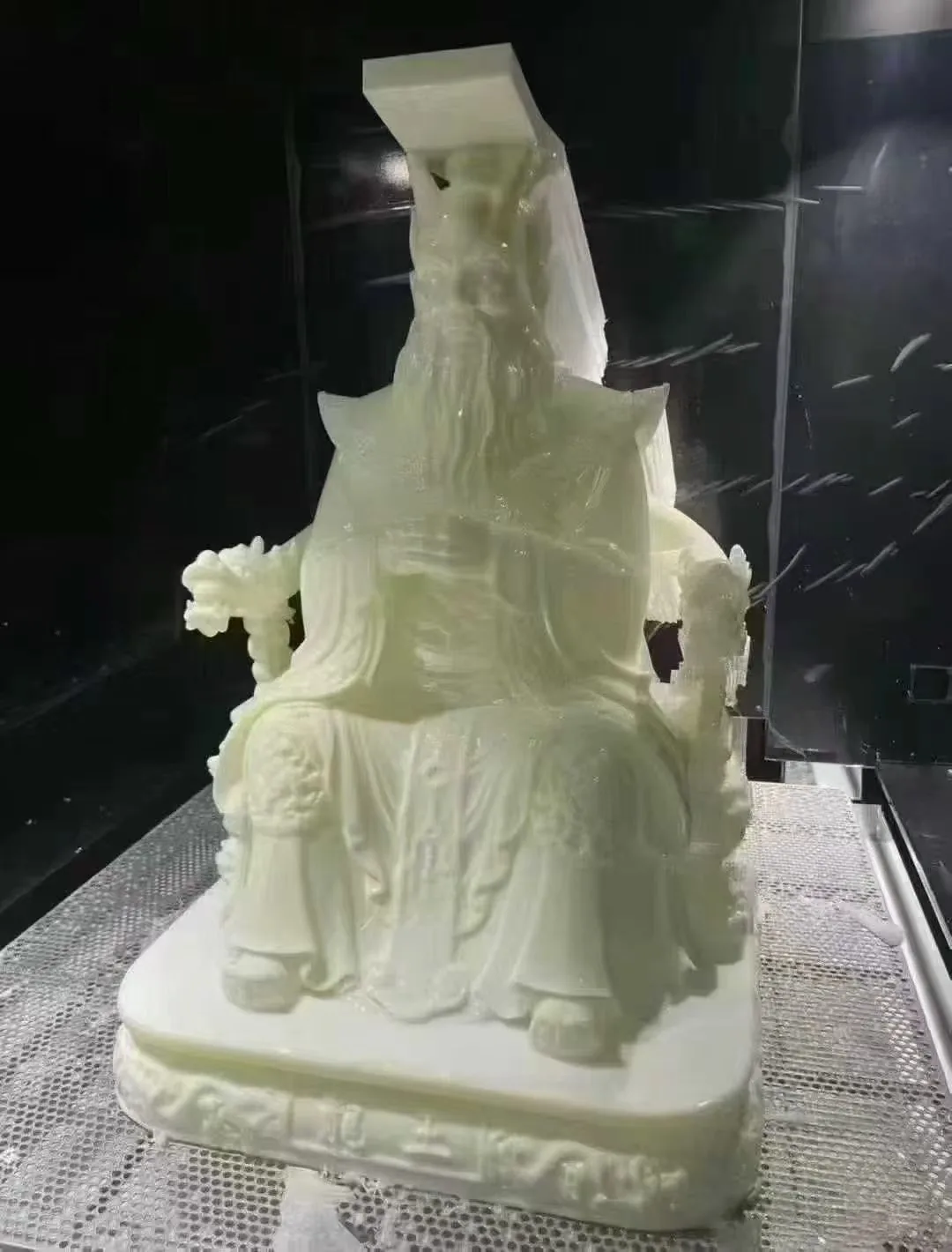
Simply, build a master pattern with 3D printing or CNC, make a silicone mold, inject polyurethane, cure, demold, and get a copy. One silicone mold typically replicates 20 to 100-plus pieces.
Jinghui 3D's vacuum casting holds about ±0.2 mm, with surface and dimension close to tooling, while the mold cost is a fraction of steel tooling. For trial production, exhibitions, and low-volume launch, it is the best value.
2. What pain points it solves
First, cost. Formal injection tooling easily runs tens of thousands; a silicone mold costs hundreds to a few thousand, dropping the "low-volume" threshold sharply.
Second, speed. Silicone mold lead time is short, and a casting batch ships in 5–7 days, far faster than waiting for steel tooling. When the window matters, time is money.
Third, texture. Cast parts can be ABS-like, PP-like, transparent PU, even rubber feel, with spray paint and plating as usual, nearly indistinguishable from tooling parts.
3. Which scenes fit best
20–100 piece trial runs, exhibition prototypes, pre-crowdfunding validation batches, and small-batch spare-part replenishment are all vacuum casting's home turf. Jinghui 3D's vacuum casting case library covers shells, housings, soft parts, and transparent pieces.
If your need lands in this range, instead of debating "tool or not," calculate a vacuum casting account first.
4. Casting plus finishing is the full play
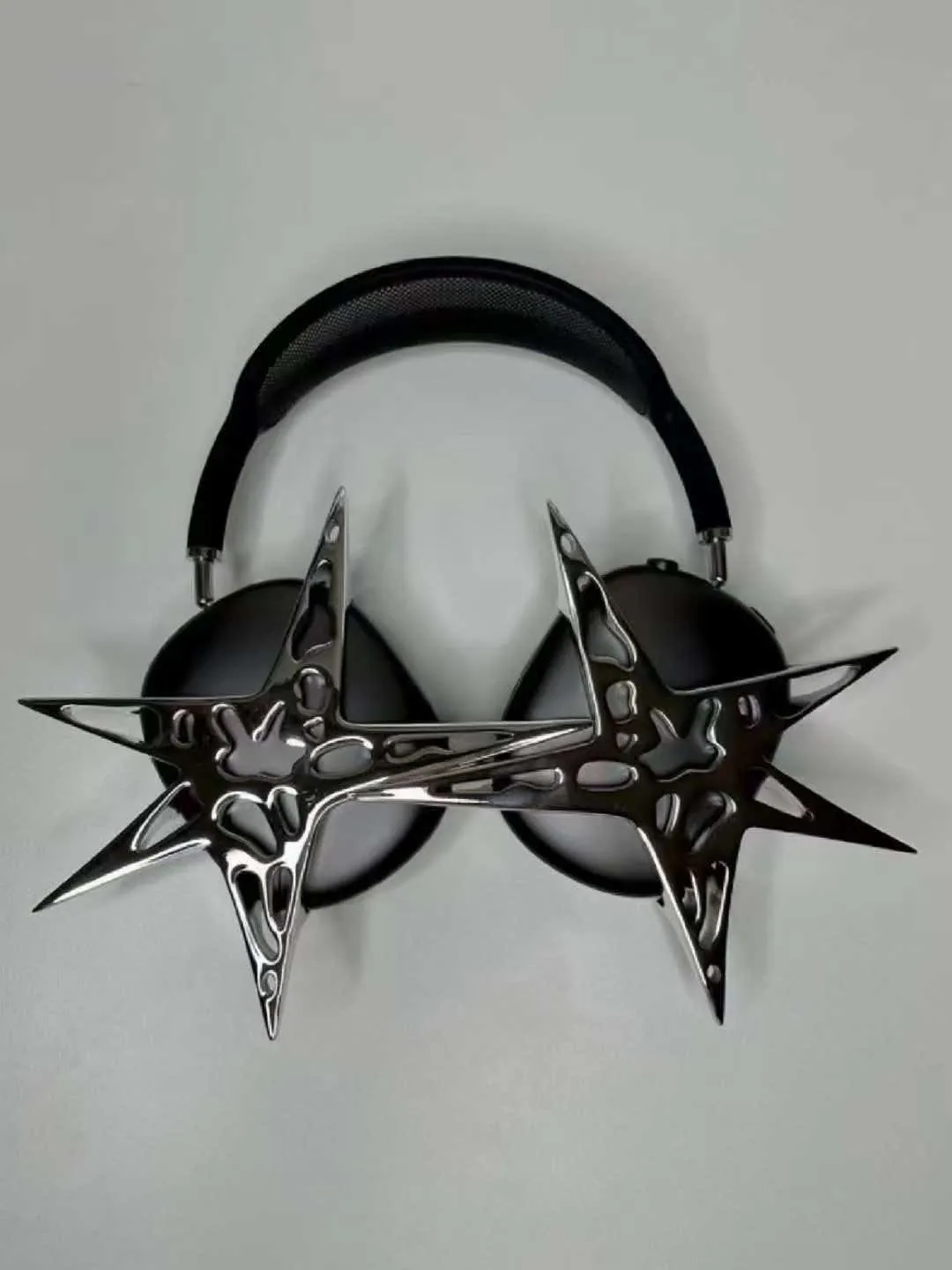
A cast part is only a blank; the real value is in finishing. Jinghui 3D keeps spray paint, plating, and silk screen in-house, so cast parts go straight into the finishing line and come out as shelf-ready, display-ready products.
Back to that old advantage: one roof, one quality standard, no shipping half-finished parts back and forth.
5. How it pairs with 3D printing and CNC
Vacuum casting is not isolated. The master often uses SLA or CNC; only when volume grows and design freezes do you upgrade to formal tooling. Jinghui 3D's six lines let this path switch smoothly without getting stuck "changing suppliers."
For clients, that means a manufacturing route that grows with volume, not a one-shot deal.
6. The bottom line
Low volume is not "making do," but the stretch of a product's life cycle most worth calculating carefully. Right process can save several times the cost and time.
If you are stuck at "how to make dozens cost-effectively," visit jinghui3d.com and upload your file. Jinghui 3D's engineering team proposes a vacuum casting plan by quantity, with an itemized quote within 24 hours, backed by our 5,000㎡ facility and six in-house production lines, from first prototype to low-volume production.
Silicone molds have a life, usually dozens of pulls before warping and losing precision. So vacuum casting fits "a batch of dozens to a hundred," not infinite copying. Jinghui 3D marks mold cycles in the quote so you know where you stand.
The tipping point with formal injection is roughly 100–300 pieces. Below it, casting pays; above it, tooling amortized is cheaper. Jinghui 3D calculates this for you, never letting you "save mold fee but overpay elsewhere."
Reading a casting quote, do not only compare unit price. Ask: does it include finishing? To what surface? Inspection report? Jinghui 3D's quote is itemized, every line open, avoiding later add-ons.
In the world of low volume, no universal process exists, only the most suitable solution. Vacuum casting stands in the middle, perfectly filling the gap between prototype and mass production.
Visit jinghui3d.com to upload your CAD files (STEP / IGES / STL). The Jinghui 3D engineering team will return a detailed, itemized quote within 24 hours. With our own 5,000㎡ facility and six in-house production lines, we cover everything from your first prototype to low-volume production — one partner for the whole journey.