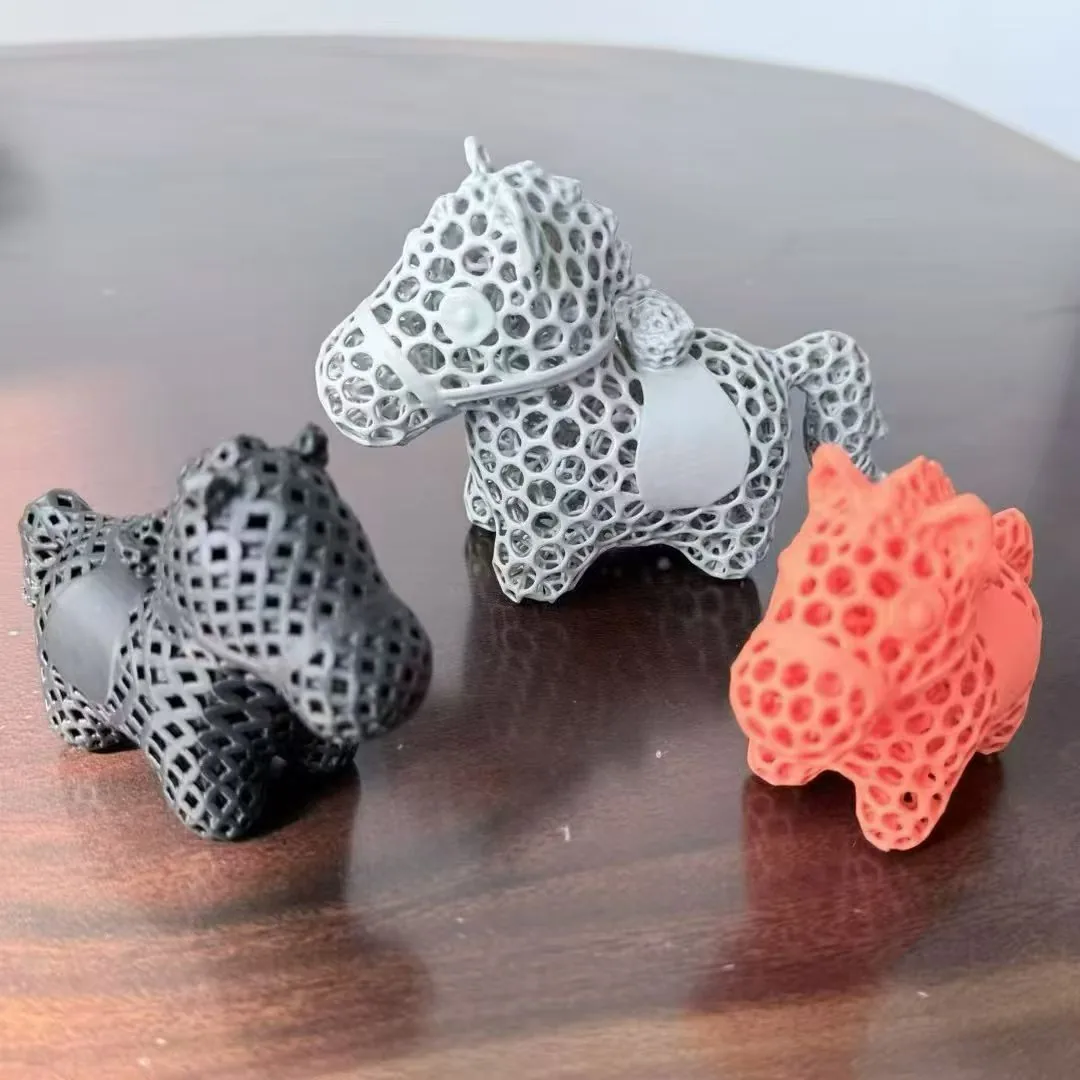
FDM 3D printing offers a cost-effective, durable solution for functional prototypes and end-use parts. Jinghui 3D leverages this technology to provide high-quality, reliable components, reducing development time and costs. Their expertise ensures optimal performance across industries.
For enterprises seeking cost-effective, durable solutions for functional prototypes and end-use parts, FDM (Fused Deposition Modeling) 3D printing stands out as a transformative technology. Its ability to produce robust components with minimal material waste and rapid turnaround times makes it indispensable for industries ranging from automotive to consumer electronics. Jinghui 3D’s expertise in FDM printing ensures that clients receive high-performance parts tailored to their specific needs, combining precision with efficiency.
Key Advantages of FDM 3D Printing
FDM technology excels in creating functional prototypes and end-use parts with exceptional durability. Unlike traditional manufacturing methods, FDM builds parts layer by layer using thermoplastic filaments, resulting in components that withstand mechanical stress, temperature fluctuations, and chemical exposure. This makes it ideal for testing form, fit, and function before mass production. Jinghui 3D’s FDM services utilize engineering-grade materials like ABS, PC, and Nylon, ensuring parts meet stringent performance requirements.
Applications Across Industries
- Automotive: FDM printing produces lightweight yet strong components such as dashboard brackets, engine covers, and custom jigs. These parts reduce vehicle weight, improving fuel efficiency without compromising safety.
- Consumer Electronics: From enclosures to connectors, FDM enables rapid prototyping of electronic components, accelerating product development cycles.
- Industrial Equipment: Custom tooling and fixtures created via FDM enhance operational efficiency, reducing downtime and maintenance costs.
Jinghui 3D’s FDM Capabilities
Jinghui 3D offers end-to-end FDM solutions, from design optimization to post-processing. Their state-of-the-art equipment supports large build volumes and high-resolution printing, ensuring parts meet exact specifications. Additionally, their in-house material R&D allows for custom formulations tailored to specific applications, such as flame-retardant or UV-resistant filaments.
Cost and Time Efficiency
FDM 3D printing significantly reduces lead times and costs compared to traditional methods like injection molding. The absence of tooling expenses and the ability to iterate designs quickly make it a cost-effective choice for low-to-medium volume production. The table below illustrates a cost comparison between FDM printing and injection molding for a batch of 500 parts:
| Method | Tooling Cost | Per-Unit Cost | Total Cost |
|---|---|---|---|
| FDM 3D Printing | $0 | $15 | $7,500 |
| Injection Molding | $5,000 | $5 | $7,500 |
Conclusion: While both methods yield similar total costs for 500 parts, FDM eliminates upfront tooling expenses, making it more accessible for small batches or iterative design processes.
Durability and Performance
FDM-printed parts are renowned for their longevity and resistance to environmental factors. Jinghui 3D’s use of high-performance materials ensures that components maintain structural integrity under stress, making them suitable for end-use applications. For instance, parts printed with Nylon exhibit excellent tensile strength and impact resistance, while PC-based components offer superior heat resistance.
FDM 3D printing is not just a prototyping tool—it’s a viable solution for producing functional, end-use parts with unmatched efficiency and durability. Jinghui 3D’s commitment to innovation and precision ensures that clients receive components that meet or exceed industry standards, driving success across diverse applications.
Jinghui 3D’s mastery of FDM technology positions them as a leader in delivering durable, cost-effective solutions for functional prototypes and end-use parts. By leveraging their expertise, businesses can accelerate product development, reduce costs, and achieve superior performance in their final products.
FAQs
What materials are commonly used in FDM 3D printing for functional parts? Common materials include ABS, PC, Nylon, and PETG. These thermoplastics offer a balance of strength, heat resistance, and chemical stability, making them suitable for various industrial applications.
How does FDM compare to SLA or SLS in terms of part durability? FDM parts generally exhibit higher toughness and impact resistance compared to SLA (stereolithography), which is more brittle. SLS (selective laser sintering) produces durable parts but often at a higher cost and with rougher surface finishes than FDM.
Can FDM-printed parts be used for outdoor applications? Yes, parts printed with UV-resistant materials like ASA (a variant of ABS) or specially formulated Nylon can withstand prolonged exposure to sunlight and weather conditions without degrading.