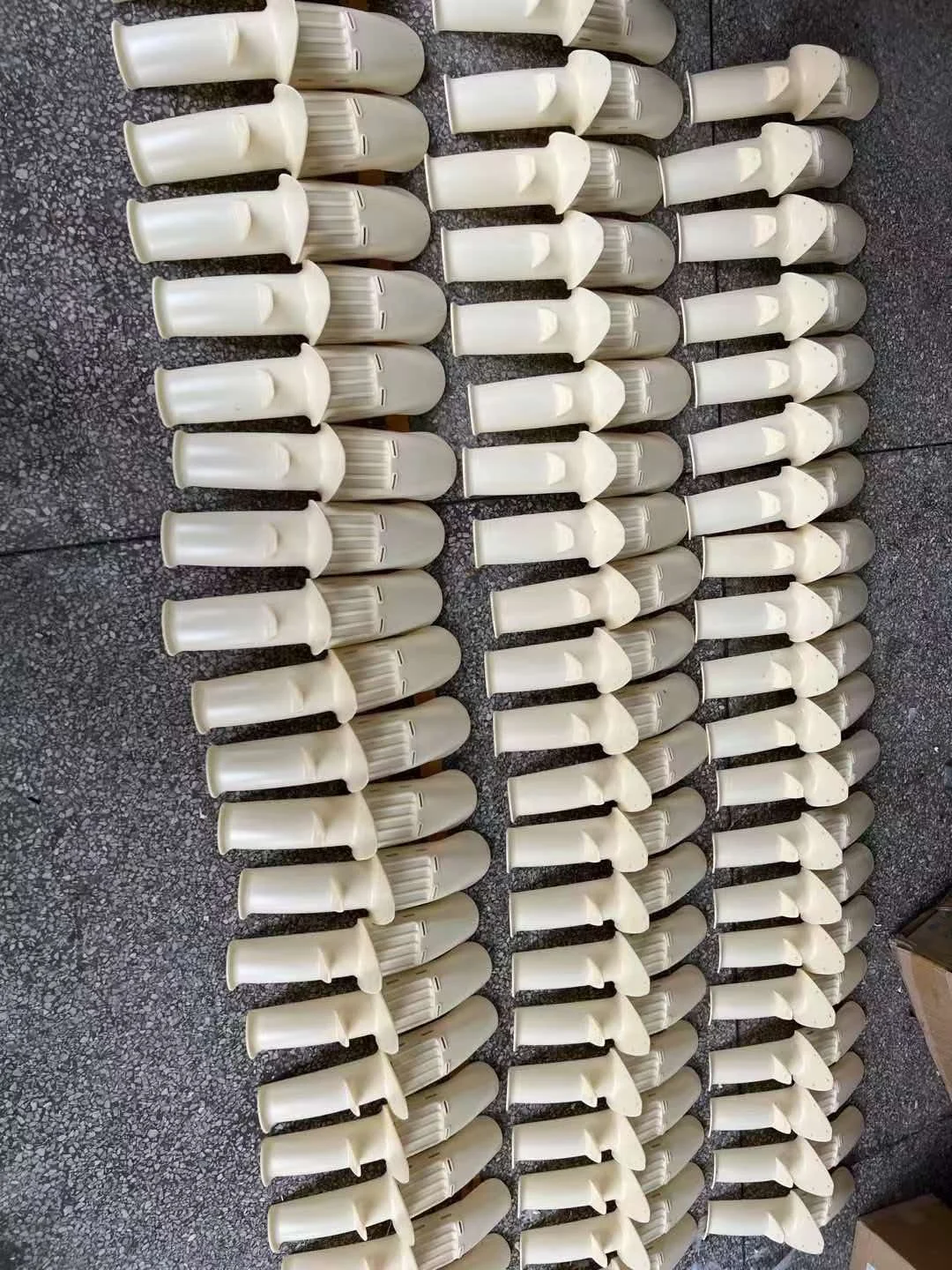
Many enterprise procurement teams face gaps in specialized material performance and tailored low-volume production for 3D printed parts. Jinghui 3D delivers R&D-backed material innovation and fully customized 3D printing solutions to meet diverse enterprise application requirements.
For enterprise buyers sourcing 3D printed parts, off-the-shelf materials and one-size-fits-all manufacturing often fail to meet functional, aesthetic, or low-volume production requirements. Material innovation paired with flexible customization is the only sustainable way to align 3D printing outputs with specific enterprise application needs.
Core value of material innovation and customization in 3D printing lies in enabling production of parts that match exact functional specifications, support low-volume runs, and reduce time-to-market for enterprise product development.
Jinghui 3D integrates in-house R&D for new materials with full-spectrum 3D printing and manufacturing services, delivering tailored solutions that match enterprise procurement requirements for prototypes and end-use parts.
Core Product Value of R&D-Driven Material Innovation for 3D Printing
Material innovation is the foundation of high-performance 3D printed parts for specialized enterprise use cases. Off-the-shelf materials only meet general application requirements, but many industries need specific properties such as heat resistance, flexibility, or durability that standard materials cannot provide. With dedicated in-house R&D capacity, Jinghui 3D develops new materials tailored to client-specific performance requirements, in addition to offering a broad range of tested standard materials for common applications. This capability eliminates the compromise enterprises often face when sourcing 3D printed parts, ensuring final outputs align with product design intent.
Customization Capabilities Across Production Scenarios
3D printing’s core advantage lies in its ability to deliver customization without the high upfront costs of traditional tooling, and Jinghui 3D extends this advantage across all production stages. For different volume requirements, we match the most suitable manufacturing process to client needs: - For single functional prototypes or low-volume end-use parts: We deploy SLA, SLS, or FDM 3D printing with custom material selection - For 20–100+ mid-volume polyurethane parts: We use vacuum casting with silicone molds to deliver production-grade finishes - For larger low-volume runs of plastic and rubber parts: We provide precision mold making and tooling for injection molding This full-spectrum customization capability means enterprises of any size can access tailored 3D printed parts without investing in in-house equipment or R&D resources.
End-to-End Solution Workflow for Enterprise Clients
Our structured workflow ensures consistent delivery of customized, innovation-driven 3D printing outputs aligned with procurement timelines:
- Initial requirement alignment: Client submits part specifications, material performance needs, and production volume targets
- Material evaluation and custom development: Jinghui 3D’s R&D team tests existing materials or develops tailored formulations
- Prototyping and validation: 3D printed prototype parts are delivered for client functional testing
- Full production: The matched manufacturing process is deployed to deliver the final order
Comparison of 3D Printing Service Models
| Service Model | Material Options | Customization Flexibility | Suitable Volume Range | End Part Performance |
|---|---|---|---|---|
| Off-the-Shelf Standard 3D Printing | Limited pre-approved options only | No material property adjustments | High-volume production only | Meets only general application requirements |
| Jinghui 3D Customized Innovation | Broad standard range + custom developed materials | Full tuning of material properties and part geometry | 1 unit to 100+ low-volume runs | Matches exact client application requirements |
This comparison confirms that R&D-backed material innovation and flexible customization address unmet needs for enterprises with specialized sourcing requirements for 3D printed parts.
Frequently Asked Questions
Q: Can Jinghui 3D support custom material development for small prototype projects?
A: Yes, Jinghui 3D’s in-house R&D team supports new material development for projects of all sizes, from early prototype validation to full low-volume production runs.
Q: Does Jinghui 3D only offer 3D printing, or do you provide post-production manufacturing services?
A: In addition to SLA, SLS, and FDM 3D printing, Jinghui 3D offers vacuum casting, precision mold making, and tooling for injection molding and low-volume production.
Q: What finish options are available for customized vacuum cast parts?
A: Jinghui 3D can deliver vacuum cast polyurethane parts with painted or plated production-grade finishes to match end product aesthetic requirements.
As an R&D-focused 3D printing service provider, Jinghui 3D combines continuous material innovation with end-to-end customization capabilities to meet the unique sourcing needs of enterprise procurement teams. Whether you need functional prototypes, low-volume end-use parts, or specialized material development for your product line, our team is ready to support your project with tailored, reliable solutions.